About AC Distribution Board
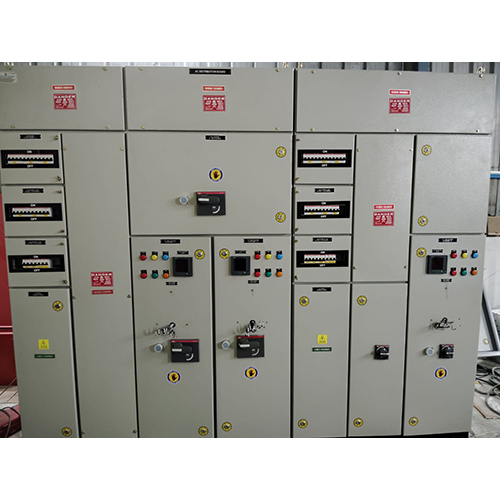
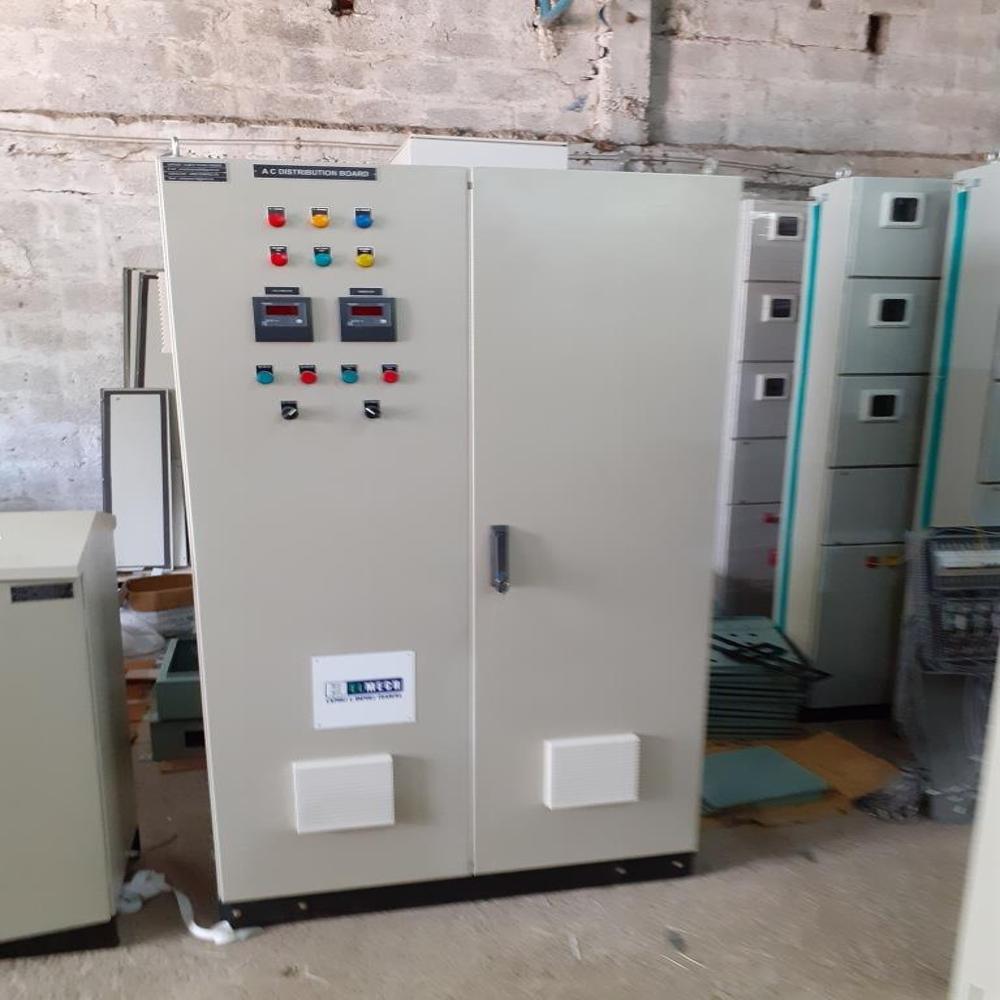
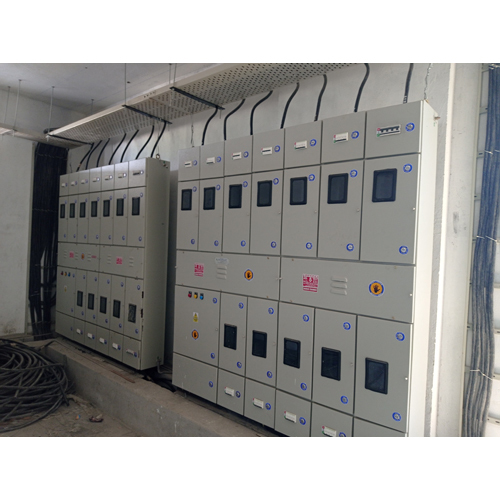
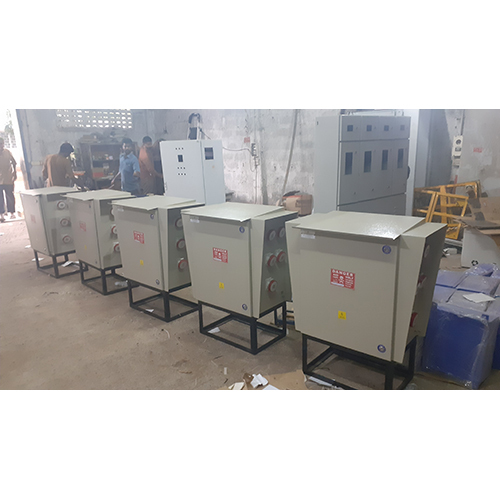
An AC Distribution Board (ACDB) is an electrical panel designed to receive, control, and distribute alternating current (AC) power from a main source such as an inverter, transformer, or generator to multiple outgoing circuits.
It is widely used in industrial, commercial, and residential applications for safe and efficient power management. The ACDB ensures proper distribution of electricity while providing protection against electrical faults.
Key Features
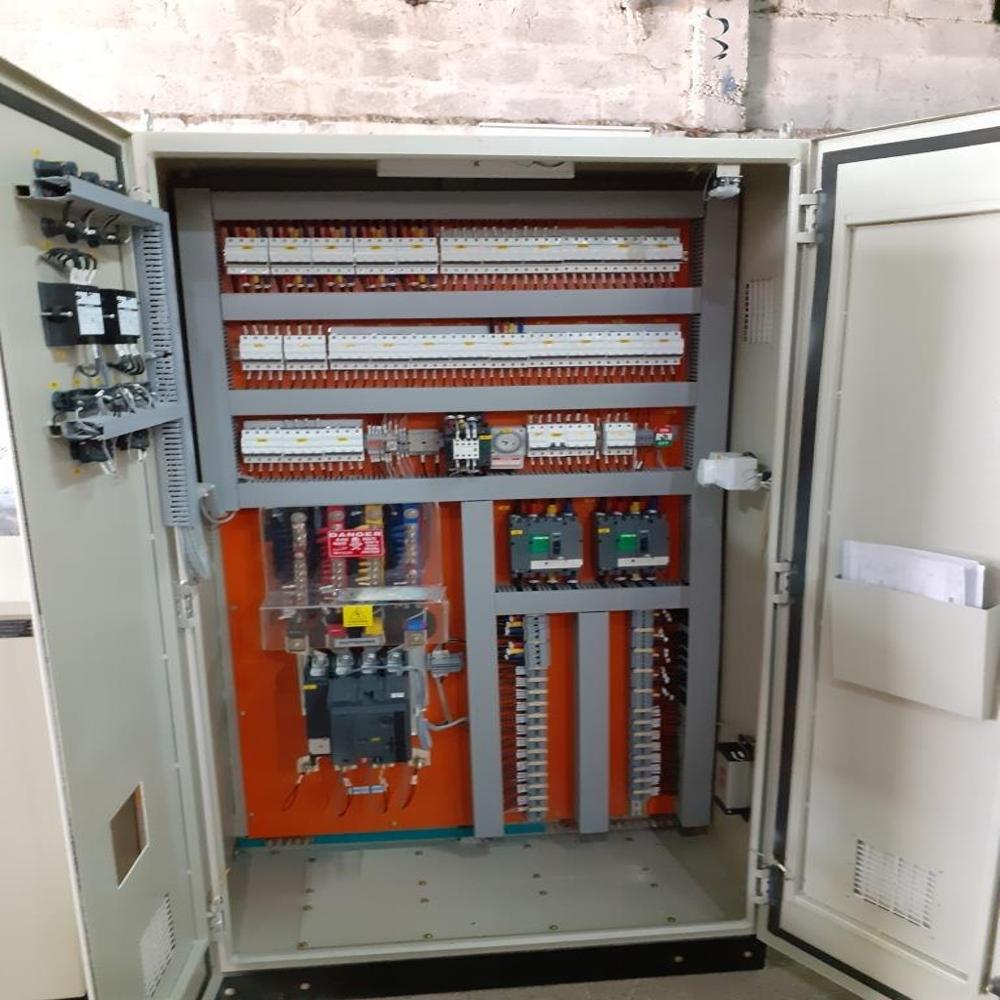
- Equipped with MCB/MCCB, isolators, and fuses for circuit protection
- Provides protection against overload, short circuit, and surge voltage
- Includes busbars, earthing, and neutral links for proper current flow
- Option for energy meters and monitoring devices
- Available in indoor and outdoor (IP-rated) enclosures
- Compact, durable, and easy to install
Functions
- Distributes AC power into multiple circuits
- Controls and isolates electrical supply
- Enhances safety of electrical systems
- Enables centralized monitoring and maintenance
Applications
- Solar power plants (inverter output distribution)
- Industrial machinery and factories
- Commercial buildings and offices
- Residential electrical systems
Additional Details (as seen on TradeIndia listings)
- Material: Metal/CRCA sheet or polycarbonate
- Voltage: Typically up to 415V AC
- Design: Custom-built as per load requirement
- Features: Modular, reliable, cost-effective, and space-saving
Superior Construction for Lasting PerformanceEngineered from 1.6 mm mild steel and finished with a protective powder coating, this AC Distribution Board is built to endure demanding environments. Its corrosion-resistant surface helps preserve the board's appearance and functionality over extended periods, while the choice of colors allows seamless integration into any setting.
Versatile Applications and Reliable OutputSupporting a maximum output current of 1000A and compatible with voltages up to 440V, this distribution board is ideal for a range of settings-from modular homes to large-scale industrial environments. Its 10-way configuration simplifies circuit management, making it a practical solution for complex installations.
FAQ's of AC Distribution Board:
Q: How is the AC Distribution Board installed and commissioned?
A: Installation should be carried out by a qualified electrician following IS standards. The process involves securely mounting the board, connecting incoming and outgoing cables to the designated terminals, and ensuring the system is properly grounded. After installation, it is tested at the site for safety and operational efficiency.
Q: What makes this distribution board suitable for industrial and residential setups?
A: With a rated voltage of 440V, a 10-way configuration, and a maximum current rating of 1000A, this board is versatile enough to handle both residential and industrial loads. The powder-coated mild steel construction ensures durability, while customizable colors allow it to blend seamlessly into various environments.
Q: Where can I purchase or source this AC Distribution Board in India?
A: You can acquire this product from a wide network of dealers, distributors, exporters, importers, manufacturers, retailers, service providers, suppliers, and wholesalers throughout India.
Q: What are the primary benefits of using a powder-coated mild steel distribution board?
A: Powder-coated mild steel offers excellent resistance to corrosion, scratches, and environmental damage, enhancing the lifespan and reliability of the board. This surface treatment preserves aesthetic appeal while maintaining structural strength.
Q: What warranty and after-sales support is available for this distribution board?
A: The product is backed by a 1-year warranty, covering manufacturing defects and providing peace of mind. After-sales support is available through the supplying dealer or manufacturer.
Q: How should the AC Distribution Board be used to ensure maximum safety and efficiency?
A: Always operate within the rated voltage (up to 440V) and current (up to 1000A), and schedule regular maintenance checks. Proper labeling of all circuits inside the board is recommended for easy identification and troubleshooting.






 Get Latest Price

 Send Inquiry
 Send Inquiry
 Send SMS
 Call Me Free